Centering Survivors: Rethinking Transitional Justice in Yemen
By Christian Labossiere & Saddam Addellaa
The current conflict in Yemen is now in its eleventh year. For the state, this has meant more than a decade of stagnation, institutional erosion, and sustained violence. For the diaspora, it has been eleven years of profound tragedy: the loss of loved ones, impossible choices, persistent fear, and widespread displacement. With no comprehensive political resolution in sight, and ongoing human rights violations perpetrated by all parties to the conflict, discussions of transitional justice in Yemen are often framed as premature or even futile. Yet it is precisely the protracted nature of this conflict that makes such discussions not only relevant, but necessary.
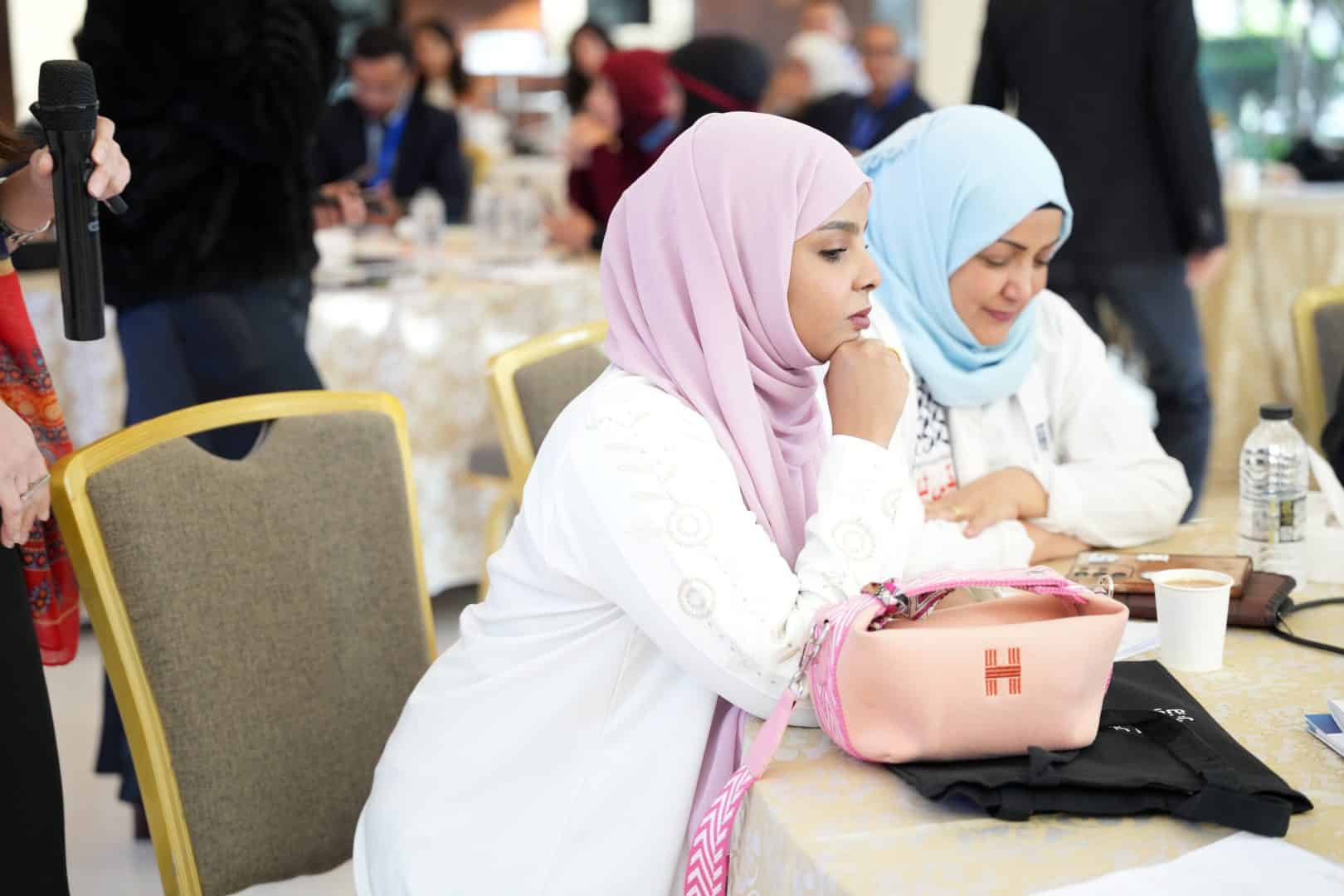
The Sharaka: Survivor-Led Accountability Framework prepared by PartnersGlobal and PartnersYemen, responds directly to this imperative. Grounded in participatory research and community dialogue, the framework centers the lived experiences, needs, and priorities of survivors of conflict in Yemen. Drawing on survivor perspectives between 2023 – 2025, from the Yemeni governorates of Taiz, Abyan, and Aden, the Framework represents an initial but critical step toward identifying the structural, legal, and psychosocial dimensions that must be addressed for any future transitional justice process in Yemen to be legitimate and effective. By foregrounding survivor agency, the framework advances a vision of transitional justice rooted in sustainability, recovery, and long-term societal healing.
One of the framework’s defining strengths is its methodology. At least 55 Survivors were actively involved through surveys, focus group discussions, and community dialogues. These processes ensured that insights from the framework reflect bottom-up perspectives rather than externally imposed solutions. The inclusion of an Accompaniment Committee of Yemeni experts, providing ongoing technical guidance, contextual validation, and adaptive feedback throughout both its development and implementation further strengthened the framework’s contextual relevance, credibility, and adaptability. This participatory design not only elevated survivor voices but also modeled accountability in practice by embedding transparency and collective decision-making into the framework itself.
The Framework identifies five interconnected advancement pillars: (1) survivor perspectives and priorities; (2) mechanisms for truth, justice, and accountability; (3) truth-seeking processes; (4) advocacy and implementation; and (5) monitoring and evaluation. Together, these pillars move beyond symbolic justice toward practical outcomes. Survivors consistently emphasized a need for reparation—financial compensation, psychosocial support, healthcare access, housing rehabilitation, and livelihood opportunities—as the most essential pathways to justice. Truth commissions and community-based reconciliation were also identified as fundamental for restoring dignity, preserving memory, and preventing future conflict.
Importantly, the framework situates justice within local realities. It highlights the role of community mediation committees, local authorities, and civil society in addressing disputes, fostering social cohesion, and bridging gaps between displaced populations and host communities. At the same time, the Framework acknowledges real structural barriers such as discrimination, corruption, and closing civic space, that limit survivors’ access to justice. By proposing legal reforms, institutional strengthening, and survivor-led advocacy, the framework links immediate recovery needs with longer-term systemic change.
Ultimately, the Framework offers more than a set of recommendations; it provides a model for survivor-led accountability in protracted conflict settings. By affirming survivors as rights-holders and change agents, the Framework challenges traditional humanitarian approaches and emphasizes a more inclusive, credible, and sustainable path toward justice in Yemen.
Read the full framework here